

From innovation
to execution.


The healthcare industry isn’t short on innovation. It’s short on execution.
Meet the speakers

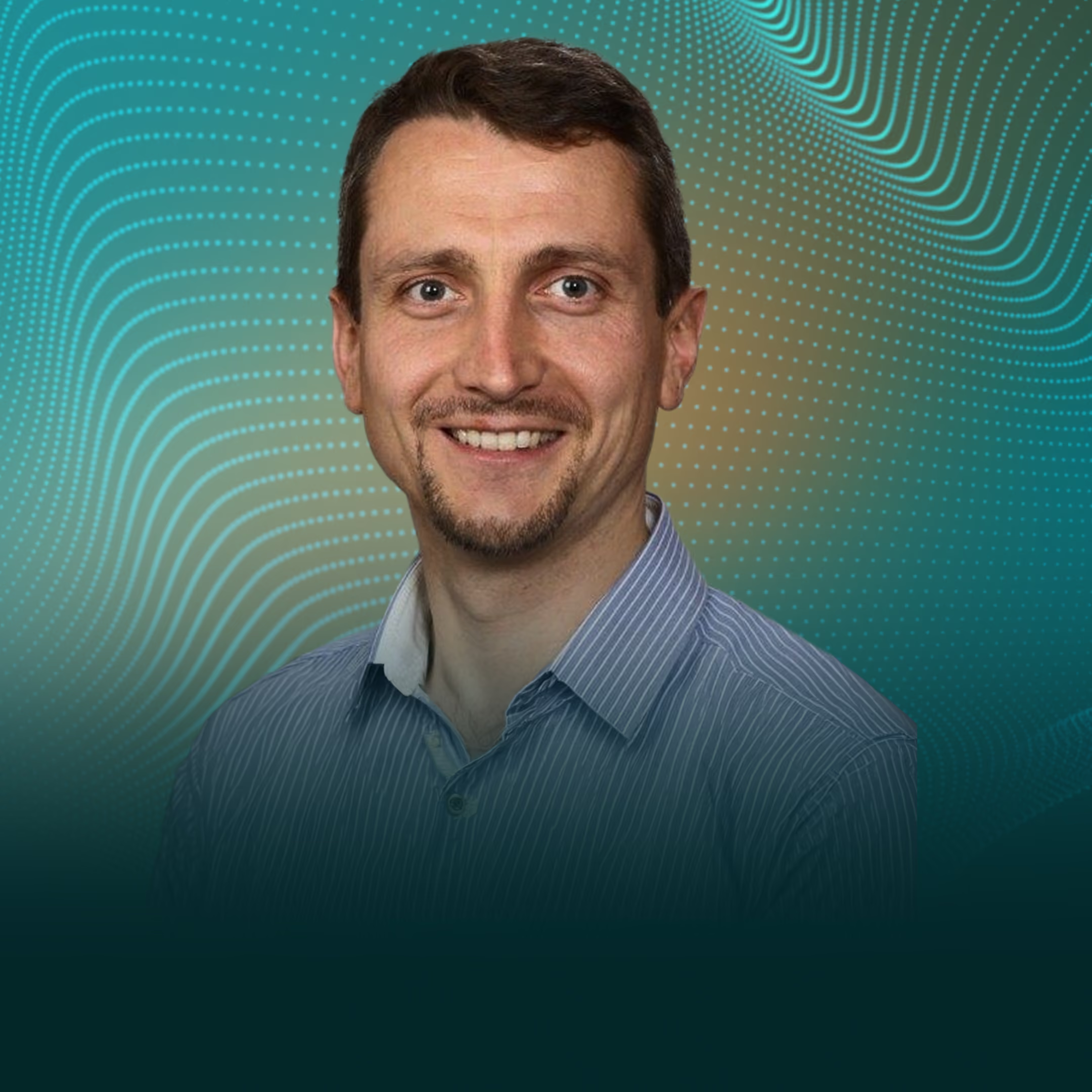
Komeil Nasrollahi
Komeil Nasrollahi is a senior director of innovation and venture partnerships at Siemens Healthineers. He leads global initiatives to identify, evaluate, and scale emerging technologies in collaboration with startups, VC firms, and healthcare systems. With experience founding two companies and building strategic partnerships across the U.S., Asia, and Europe, Komeil brings a unique ability to bridge startup innovation with enterprise scale.
Alongside his entrepreneurial and corporate experience, Komeil also serves on the external advisory to the Cleveland Clinic Innovations ecosystem, and serves as an adjunct faculty member at West Chester University, teaching entrepreneurship and venture creation since 2018.
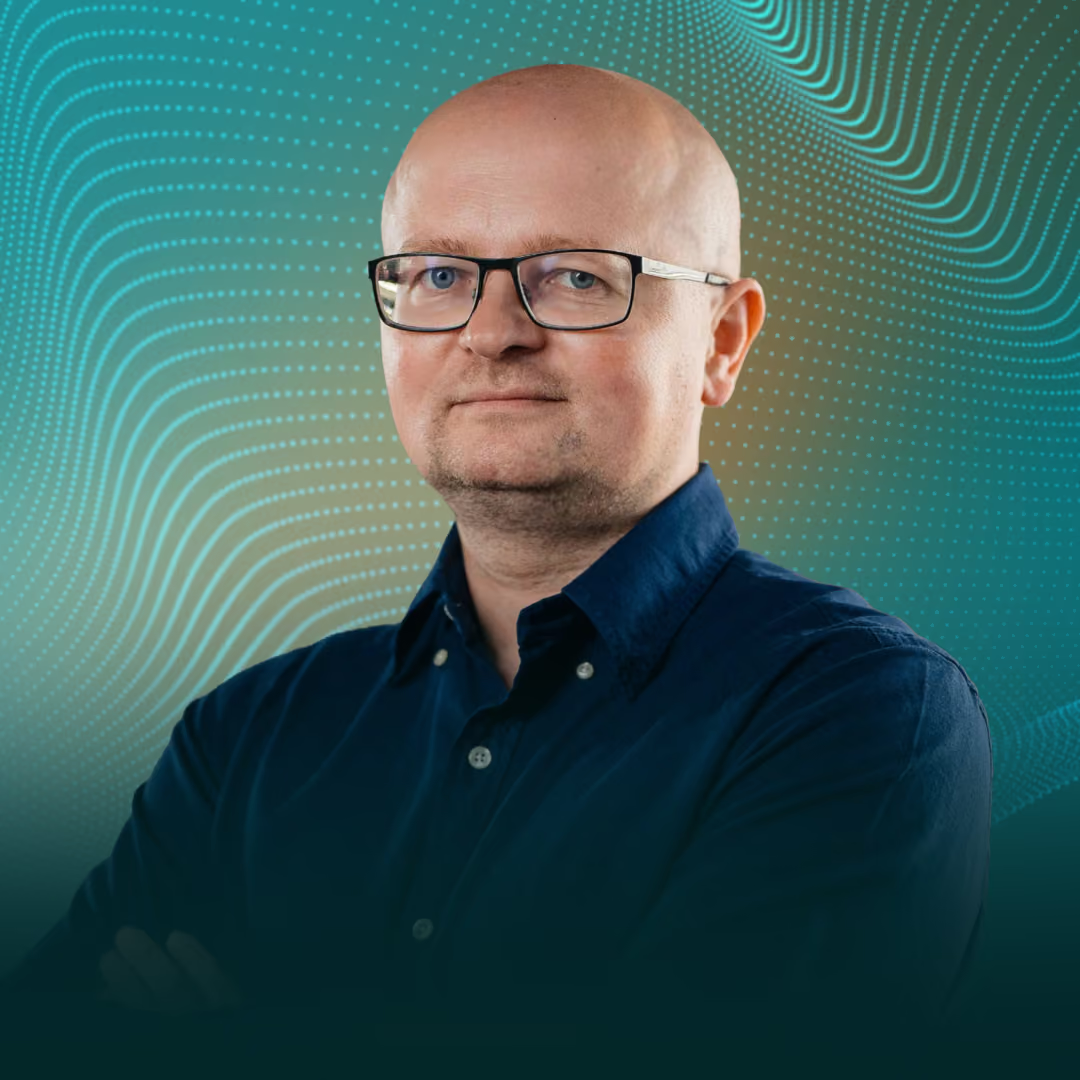
Marek Bartula
Marek Bartula is a Strategic Innovation Leader who started his adventure at Philips in video processing, analysis, and computer vision. Before co‑pioneering camera‑based monitoring of vital signs, including Philips’ first MRI‑embedded vital signs camera. He led the measurement of respiration from research through development, implementation, and on‑site clinical testing and validation, primarily at Mayo Clinic.
Marek later moved from the Netherlands to the US to manage broader innovation programs with major clinical partners and help bring disruptive monitoring technologies from concept to deployment.

Peter Rodenbach
Global VP of Systems Engineering, Validation & RA, Peter oversees system design disciplines for implantable and interventional cardiac devices, including usability, cybersecurity, verification and validation, and regulatory affairs.
With a background in chemistry and decades of experience in medical device quality and regulation, he has been responsible for one of the first class III quality management systems certified under the EU Medical Device Regulation (MDR) and has led global initiatives in risk management, post‑market surveillance, and recalls.

Isabel Wellbery
Isabel Wellbery is co-founder and Chief Commercial Officer of Alpha Sophia, a leading commercial intelligence platform for life sciences. In this role, she partners with medical device and pharma companies — from early-stage startups to established industry leaders — to solve their go-to-market challenges, helping them identify the right target segments and plan meaningful, personalized outreach.
Before co-founding Alpha Sophia, Isabel supported go-to-market strategy at various-stage startups, using a hypothesis-driven approach centered on the voice of the customer.

Chris Mashburn
Chris is a distinguished executive leader with a multifaceted career spanning law enforcement, national security, technology innovation, and healthcare operations. As Chief Operating and AI Officer at Jorie AI, he drives the company's operational excellence, growth strategy, and development of cutting-edge AI platforms that are transforming revenue cycle management and healthcare efficiency.
In his current role at Jorie AI, Chris has spearheaded the creation of a state-of-the-art AI platform that leads the healthcare industry in automating revenue cycle processes, improving operational efficiency, and delivering measurable results for providers.
A retired Texas Highway Patrol Captain, board member, speaker, and early advocate for AI in healthcare, Chris brings unparalleled expertise in operations, security, compliance, and innovative technology to drive mission-critical outcomes in complex environments
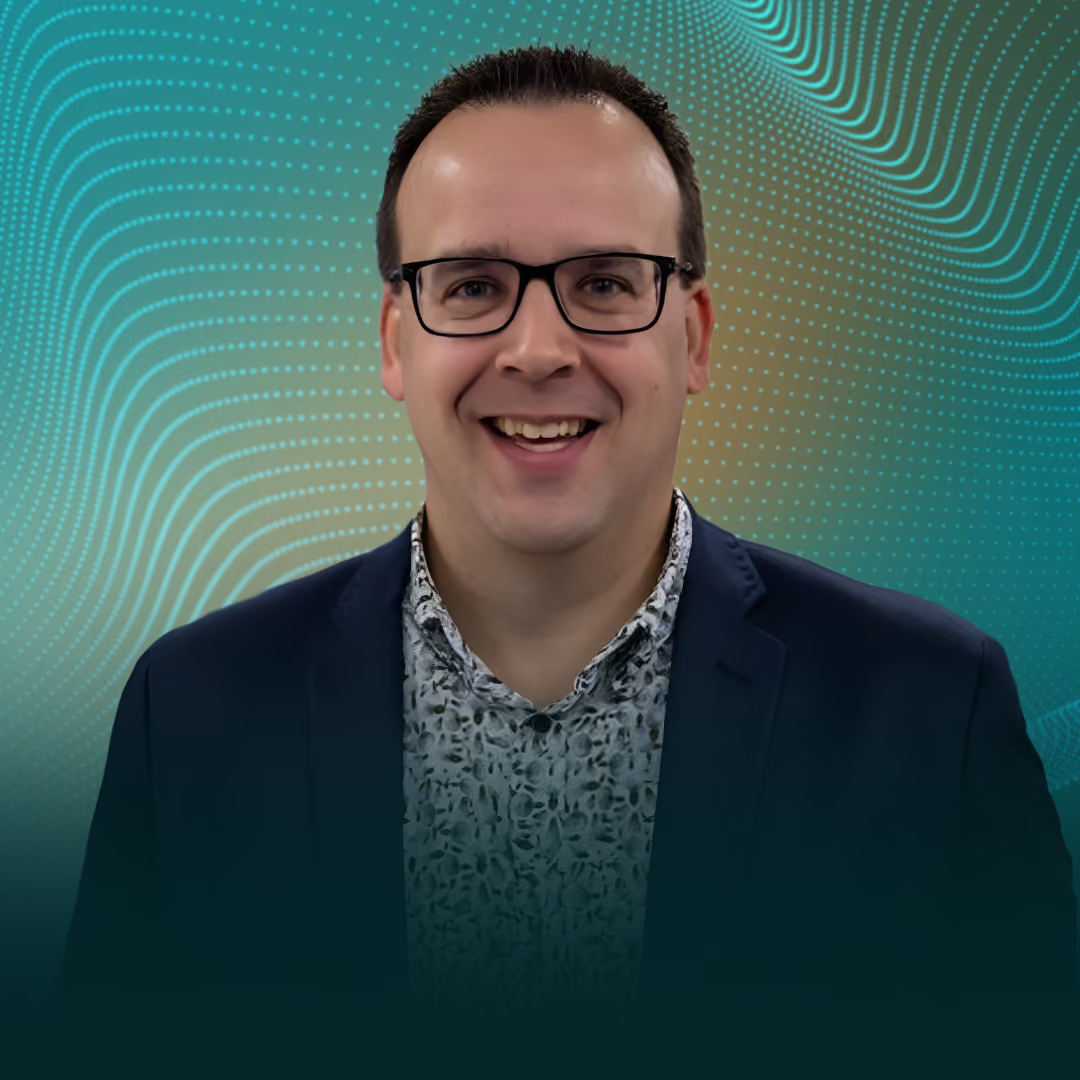
Lyubomyr Dutko
For almost 20 years, Lyubomyr Dutko has been CTO at Lemberg Solutions, building and scaling products that must operate reliably in complex, regulated, high-risk environments.
A significant part of his experience lies in healthcare product development under MDR and FDA requirements. Currently, Lou guides internationally compliant SDLC processes for medical devices, remote patient monitoring solutions, hospital management platforms, andsecure EHR systems.
Nico Drost
Nico Drost is CEO of Zign Group and has over 20 years of experience managing complex product development projects. Working closely with MedTech startups, scale-ups and innovators, he has seen how small decisions early in development often have a disproportionate impact on cost, timelines and market success.
Drawing on two decades in product development, Nico shares practical insights into the pitfalls, trade-offs and lessons that shape the journey from idea to market-ready product.
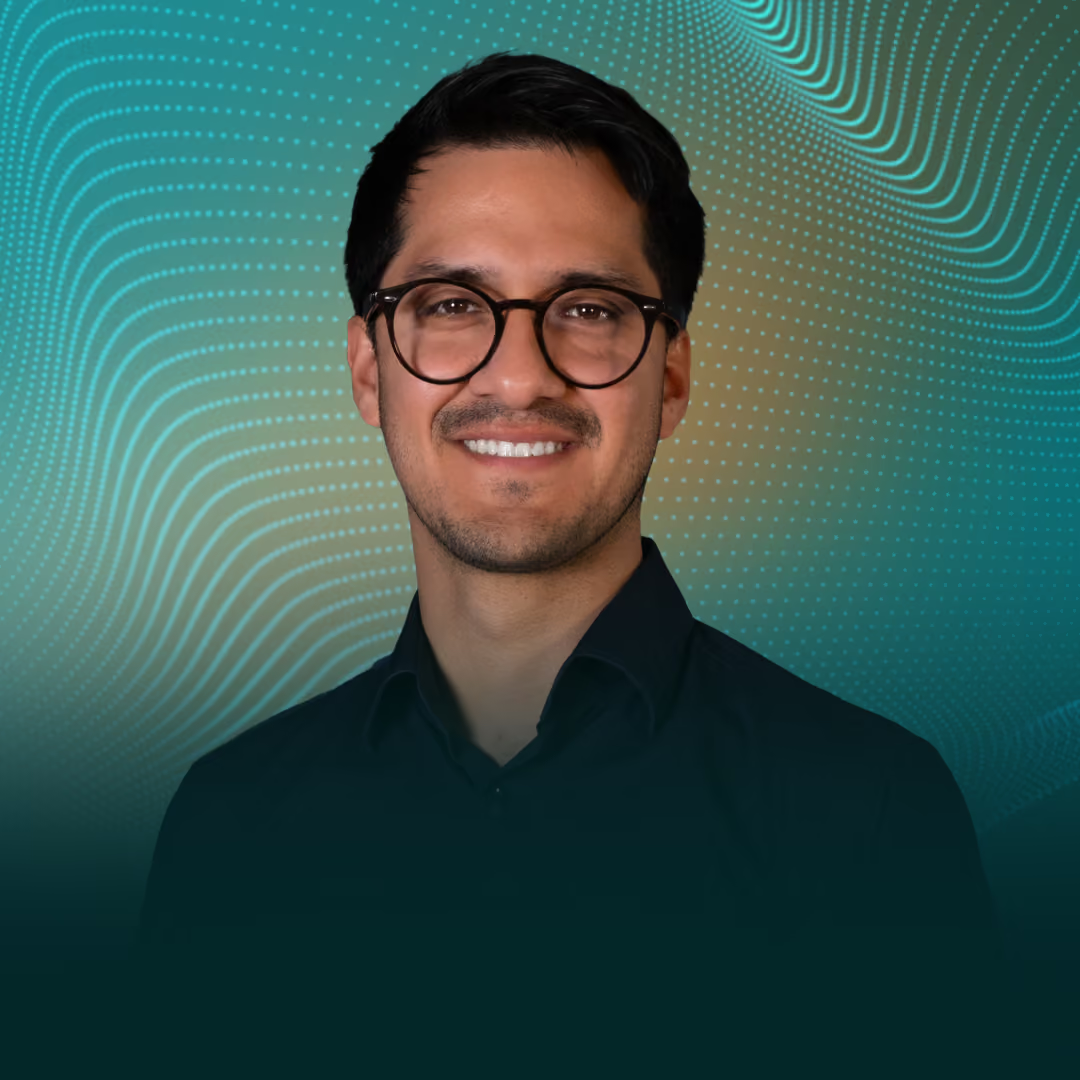
Lamborghini Sotelo
Lamborghini Sotelo is an AI consultant at Corscience, improving AI enablement for medical device companies.
His background spans physics and photonics, doctoral research in biomaterials and laser physics, and project management, which allows him to coordinate effectively across engineering, regulatory, and business teams.
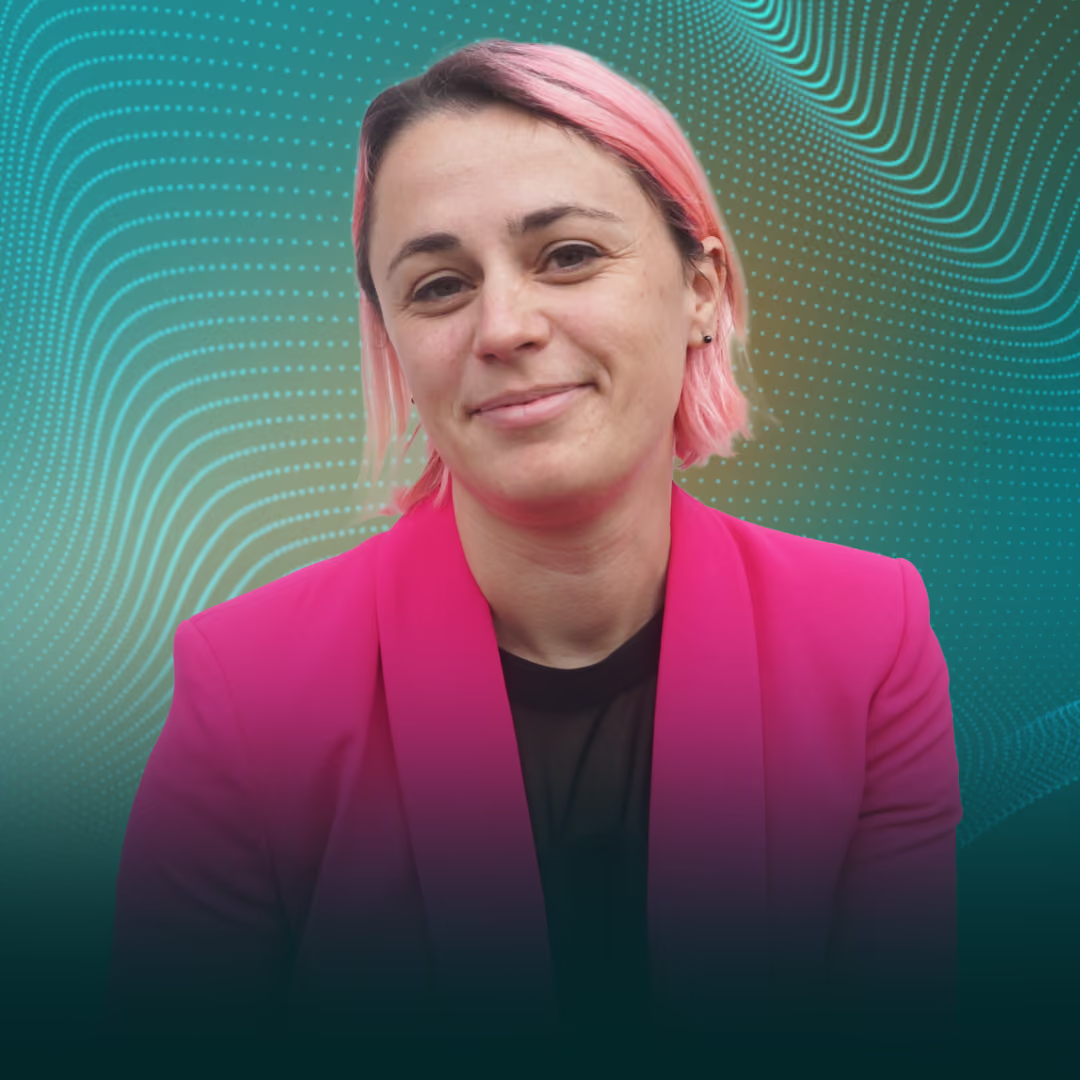
Maeva Schaller
Maeva Schaller is Head of Operations Europe at Pilotfish, where she helps innovators bridge the gap between product development and industrialization.
With extensive experience in scaling complex hardware products from early prototypes to production, she has guided start-ups and established companies through the critical transition from concept to manufacturing.
In this session, Maeva will share practical lessons on preparing products, processes, and teams for the first production runs, helping attendees avoid common scaling pitfalls and move from a single prototype to the first production batches and beyond.
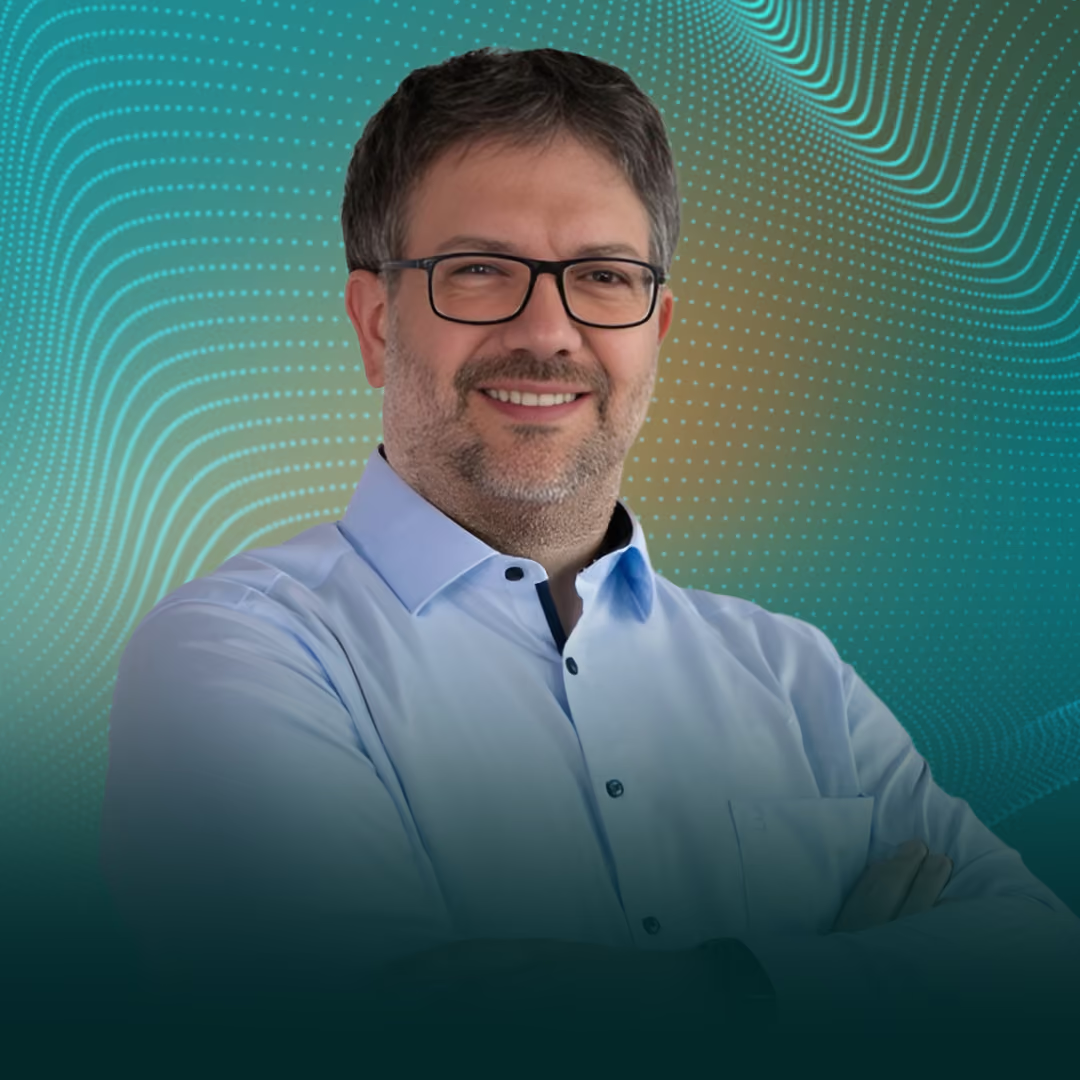
Robert Feld
Robert Feld is a senior consultant with over 20 years of experience in the medical device industry, specializing in cybersecurity for embedded medical devices.
Building on his engineering background and a decade as a systems architect, he leads Corscience's cybersecurity working group and advises clients on secure product development and regulatory compliance.
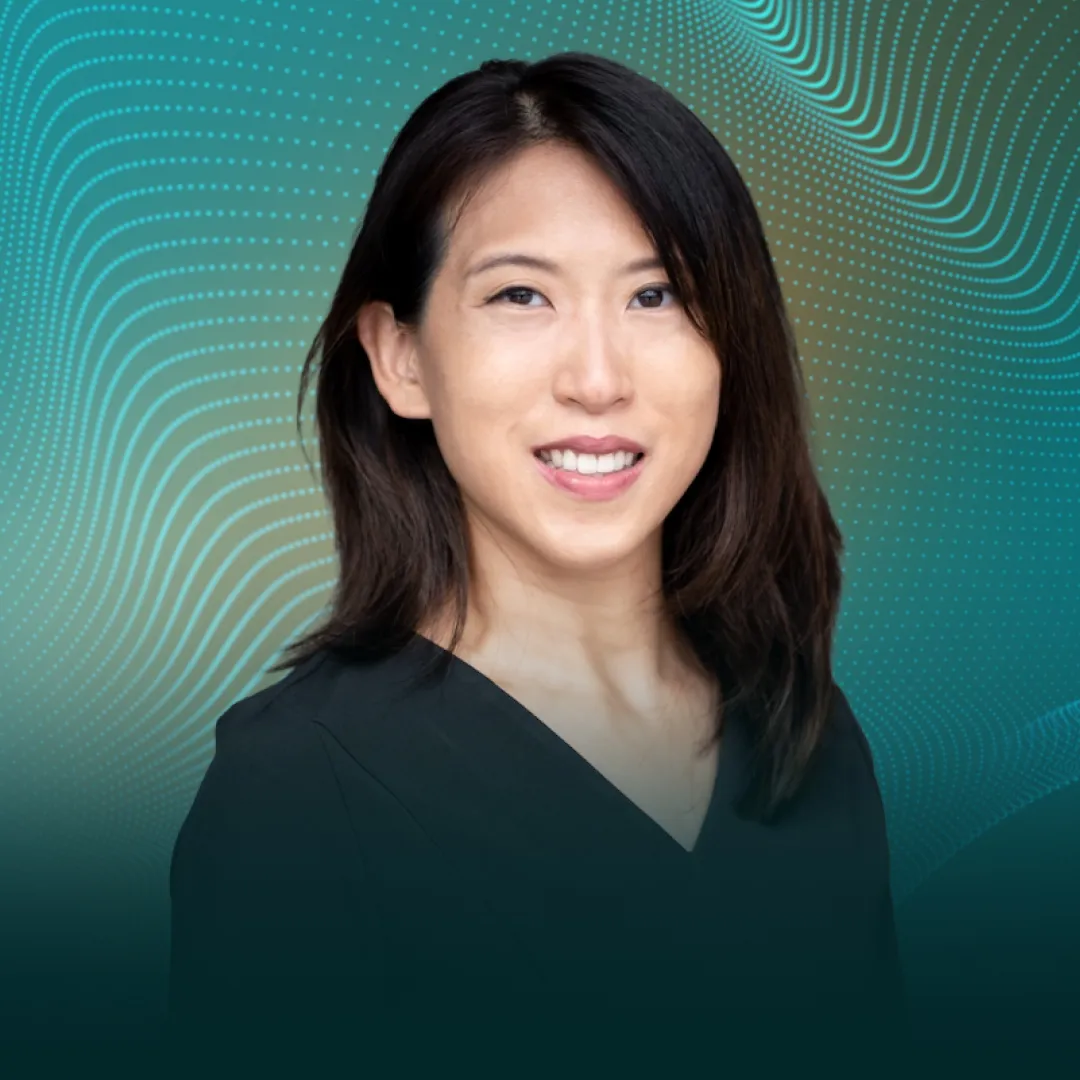
Cassandra Teo
Cassandra was a founding team member of a corporate development function in Singapore’s public health system, where she helped design and scale transformation programs across a regional health network, from process-level changes to integrated operational improvements.
Today, Cassandra leads insights products at Statista Healthcare, developing solutions that activate global hospital leaders in performance benchmarking and quality improvement. She is building national and global KPI frameworks that underpin shared standards for quality measurement.
Alongside her work with hospitals, she has been involved in startups in Berlin and Singapore, bringing a cross-functional experience.
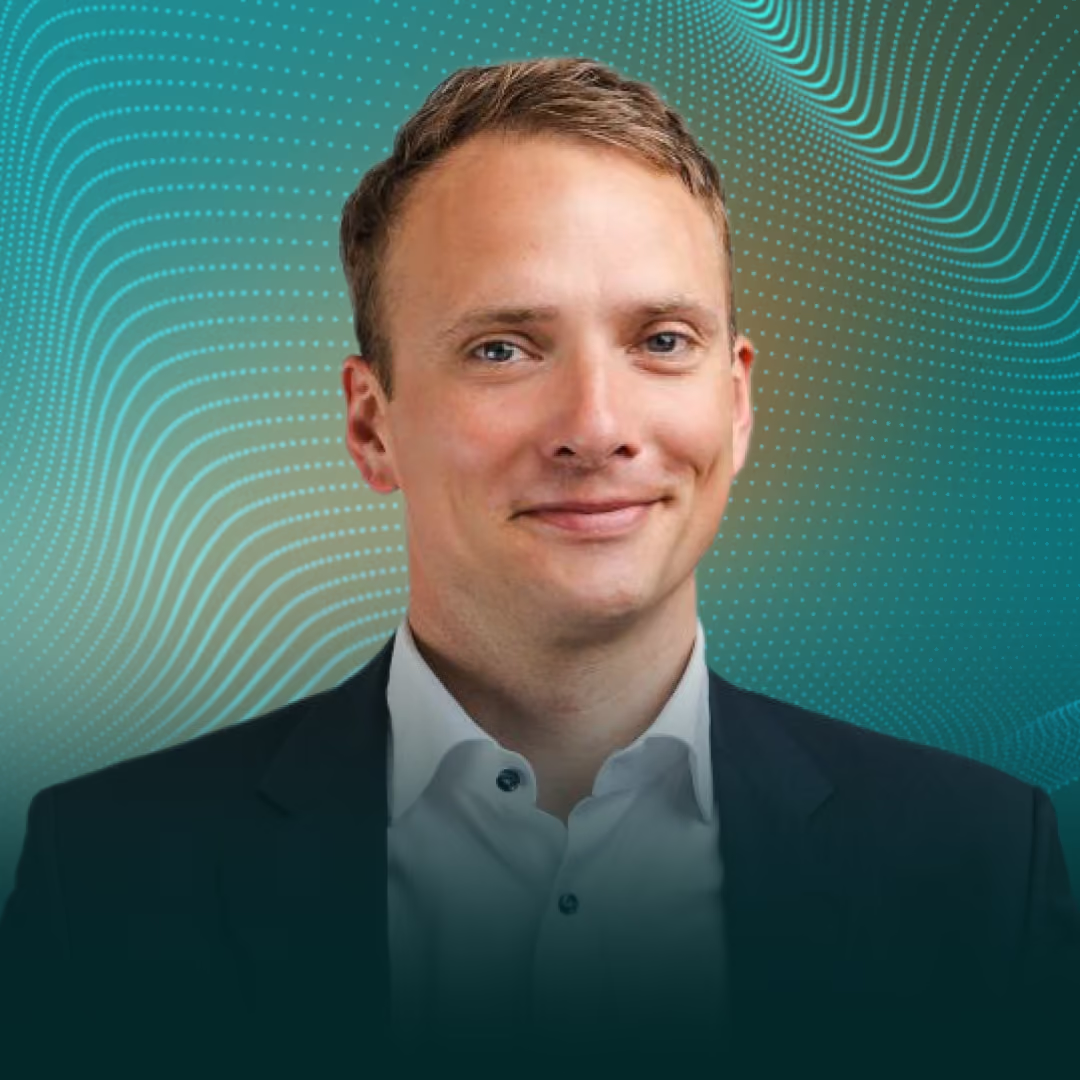
Daniel Hefel
Daniel Hefel is Founder and CEO of LillianCare, a healthcare company developing innovative models for primary care and building a network of modern partner practices in underserved regions in Germany.
Previously, he led the development and scaling of large outpatient healthcare networks. He brings around 20 years of experience in healthcare transformation and building scalable care models.
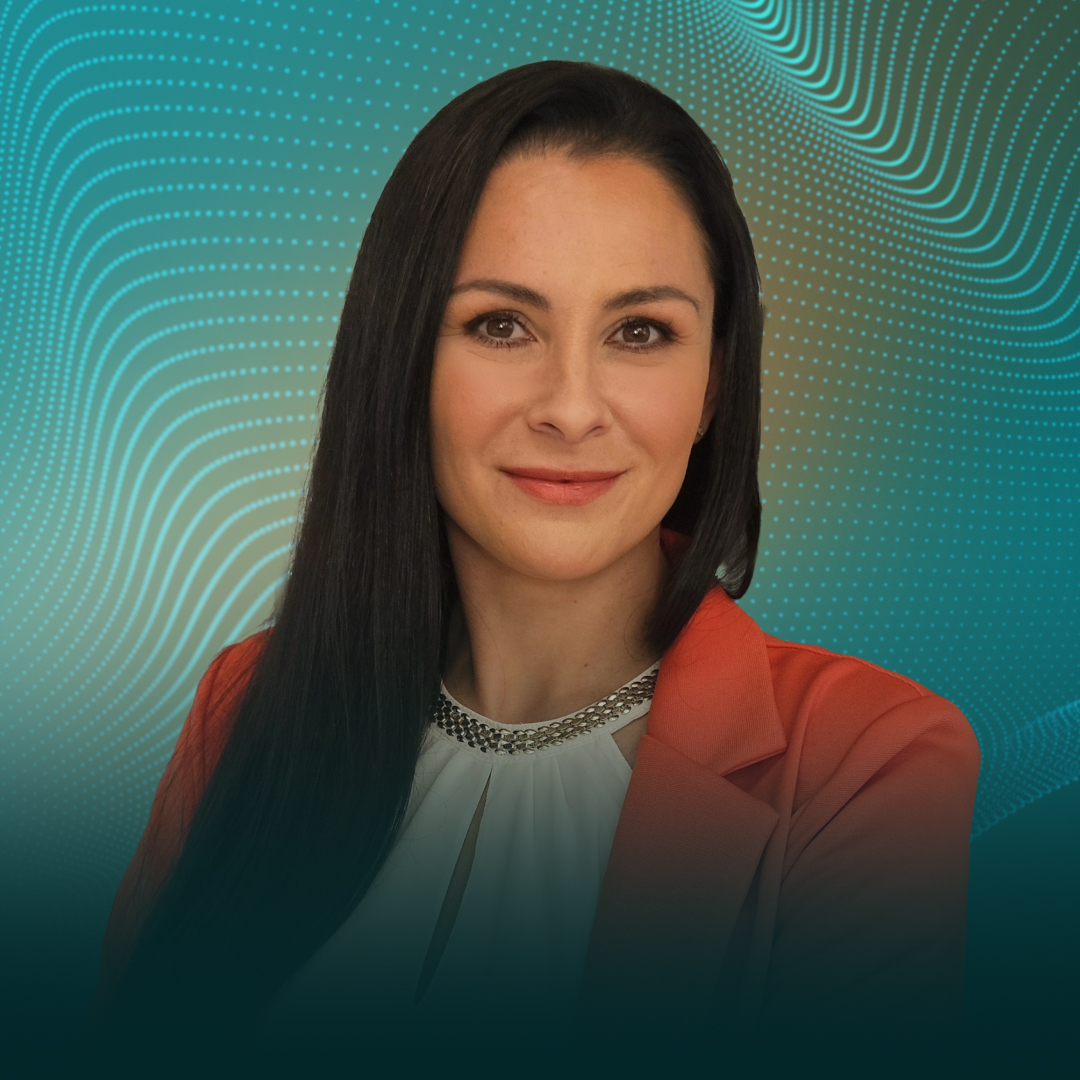
Melissa Leopold
Melissa Leopold works in Communications & Change at Bayer in Berlin, shaping communication initiatives across corporate, location, and transformation topics. As Bayer’s key contact at Zukunftsort Health Innovation Quarter Berlin-Mitte, she helps strengthen the company’s visibility and connections within Berlin’s growing innovation ecosystem.
She is also involved in Bayer Berlin Campus Development, supporting communications around the site’s strategic development as a future-oriented hub for collaboration and innovation. In addition, Melissa supports global communications for Bayer’s Engineering Cluster EMEX, connecting technical, strategic, and organizational perspectives for international audiences.
With a strong focus on clarity, stakeholder engagement, and cross-functional collaboration, Melissa is passionate about translating complex developments into meaningful narratives and building connections between organizations, places, and people.
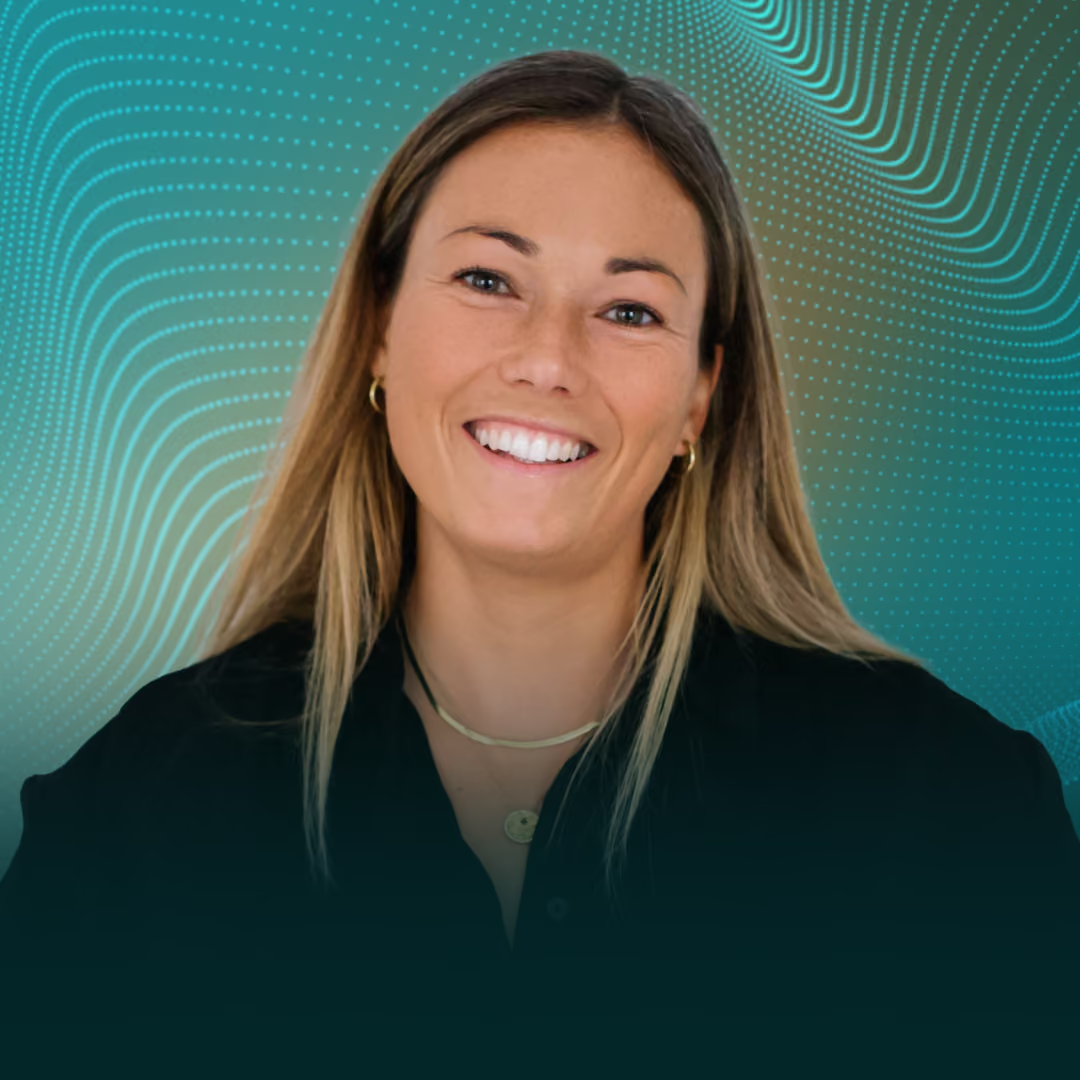
Romy Benninga
Romy Benninga is a biomedical scientist and board-certified Medical Affairs specialist with over 10 years of experience commercializing innovative health technologies. She previously led global Medical Affairs initiatives for a disruptive early sepsis diagnostic test, first in Switzerland and later in the United States, working closely with clinicians, sales and marketing teams, and distribution partners across Europe, Asia, Africa, and North America.
After identifying a systemic gap in the way new medical technologies are brought to market, she co-founded Digital Health Works with Daniel Young in 2023.
Romy has seen firsthand how even the best life-saving devices struggle to find sustainable revenue, driving her mission to bridge the gap between innovation and market success.
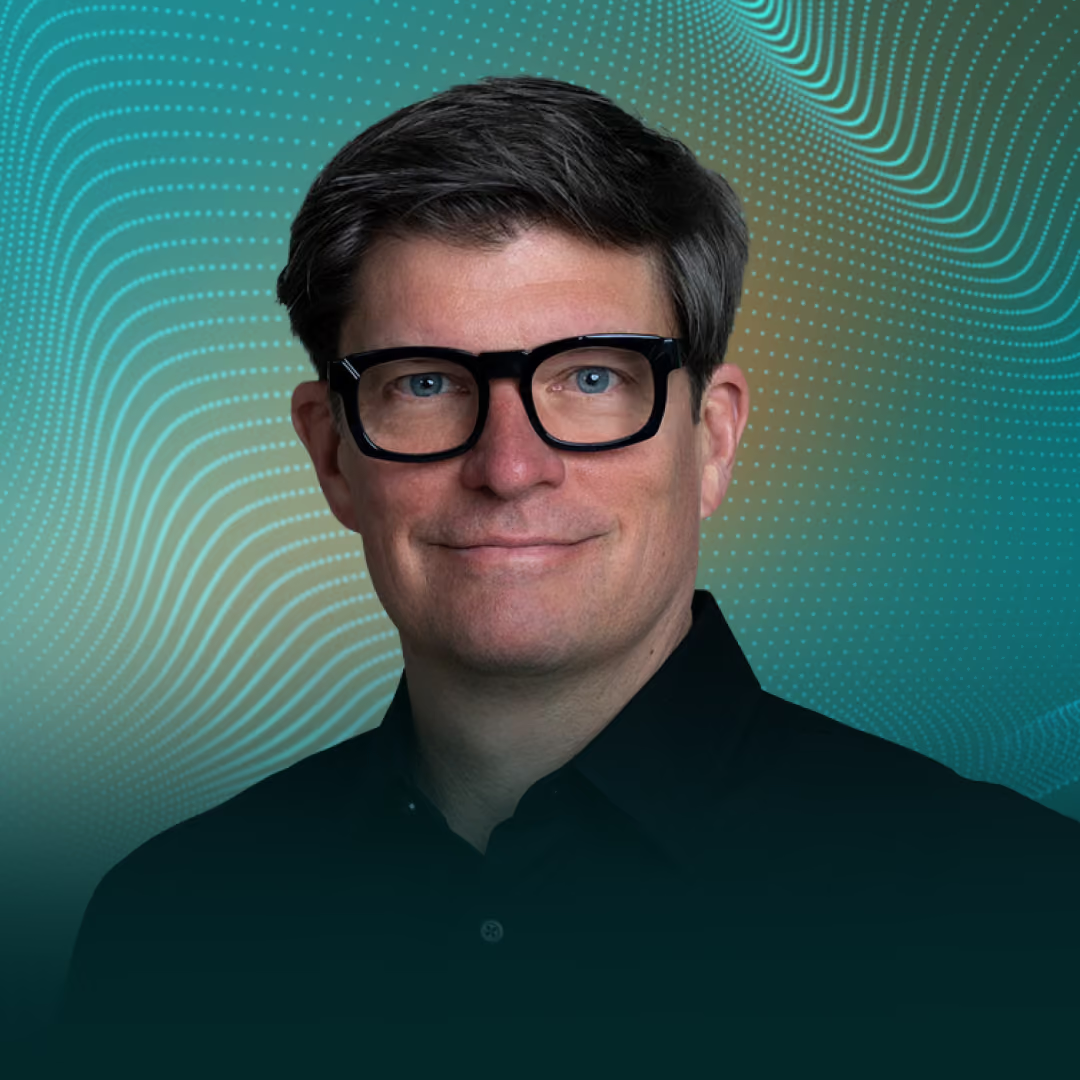
Daniel Young
18 years of hands-on experience building health technology ventures. Deep understanding of the intersection between technology and commercialization.
Daniel started his career in Cleveland in 2006 with a digital product design agency specializing in healthcare, eventually evolving into building digital health ventures and co-founding Digital Health Works.
Why should you attend?

Practical Sessions

Real-World Examples

Intimate Networking

Direct Access to Buyers
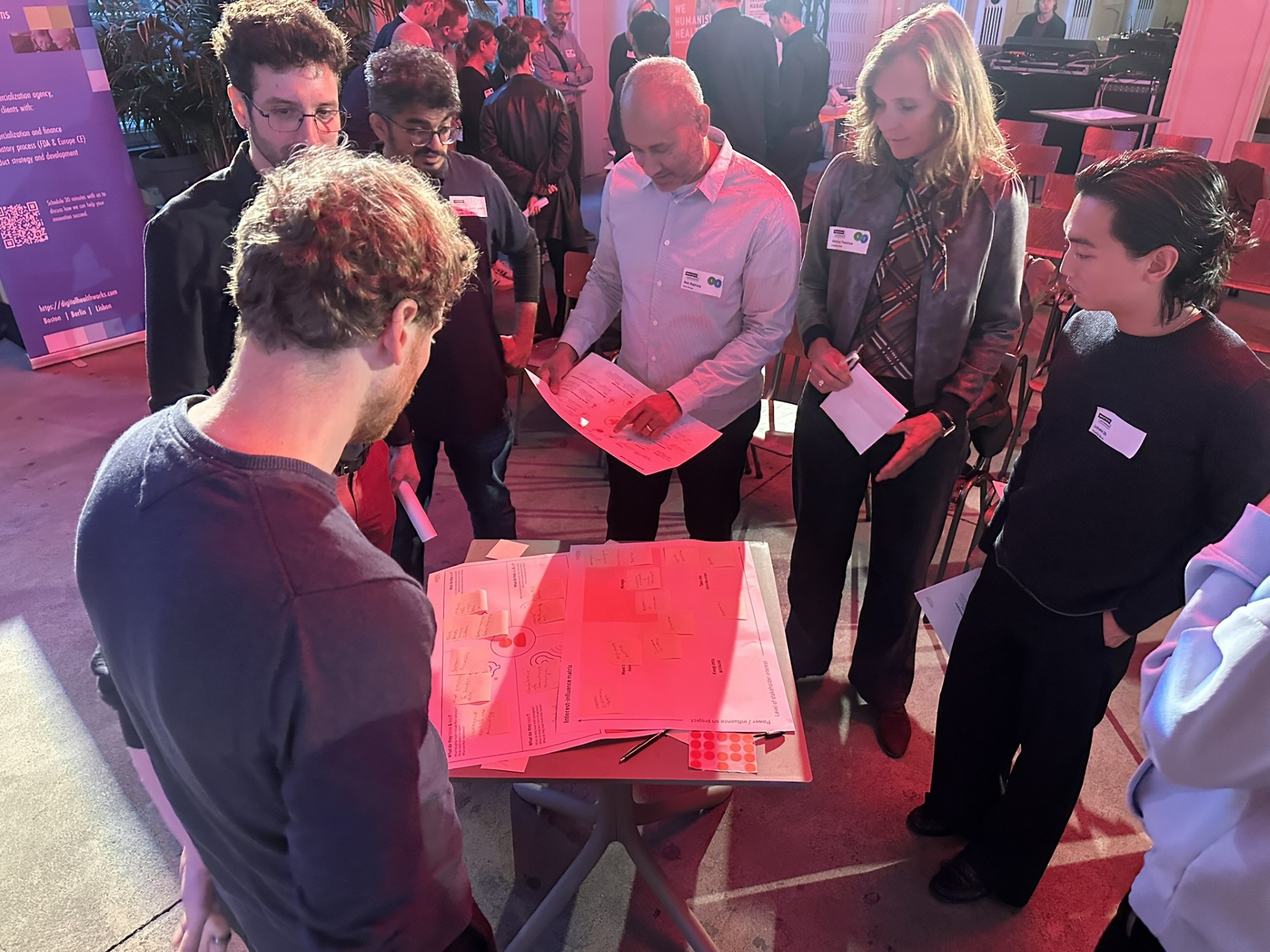
Why do so many promising MedTech innovations fail to reach their full potential?
Designs get buried in corporate review processes, market requirements get lost in translation, pilot studies stagnate after an initial launch, and your product never gains the traction or revenue it deserves.
Sound familiar? And while organizations are navigating these challenges, the pace of healthcare technology is accelerating, and healthcare systems globally are overwhelmed by new devices, software platforms, and workflow innovations that are pushing the boundaries of what they can actually implement.
This 3rd Edition of MedTech Unleashed brings together international operations experts in MedTech.
Whether you are a project leader, innovation team or product owner, join us for a day of professional development to explore how successful organizations move from concept to deployment.
Learn how to build the infrastructure, partnerships, and cross-functional alignment needed to bring complex technologies to market.
MTU 2026 Programme

Registration Opens & Morning Coffee
Innovation Isn’t the Problem. Execution Is.
A warm welcome to our guests and partners, and reminder of why we are here today.
Working Backwards From the Sale
Start with adoption, procurement, compliance, infrastructure, and revenue — then build the product path backwards.
De-Risking Medical Device Development
Bringing a medical device from concept to market is rarely a straight path. Projects often stall as uncertainties accumulate. This presentation explores practical strategies to de-risk development, reduce delays and costs, and avoid compliance setbacks.
Innovation Needs an Ecosystem to Thrive
Breakthrough healthcare innovation rarely succeeds in isolation. So how can start-ups, research, clinical partners and industry come together to move science towards real world impact?
Coffee Break
From Single Prototype, to First Few Thousand
Scaling from a single prototype, to industrializing the first few – or the first few thousand.
From Bold Vision to Successful Productization
In this session, Marek shares how he took video technology once used in LCD TVs and surveillance cameras to build Philips’ Vital Signs technology, now embedded in MRI scanners and patient monitors. A candid perspective from inside a matrix organization.
Inside the Buyers Head
An honest dive into how decision‑making actually works on the buyer side at a technology-first clinic group.
Lunch & Networking
Challenges Moving into Scaled Distribution
Moving from small batch prototyping into scalable production, manufacturing and distribution.
The Last Mile Problem in MedTech Innovation
Reality check on why promising MedTech innovations stall between prototype and real-world deployment. Exploring operational gaps like organizational, technical, and commercial that prevent strong ideas from becoming market-ready products.
When Innovation Meets the Organization
Great ideas don't die from bad tech, they die in budget cycles, org charts, and risk committees. What actually kills momentum inside a corporate, and what saves it?
Coffee Break
AI Human-Assisted or Human-Approved?: A Benchmark on AI Automation
This session compares a fully automated AI workflow with a human-assisted approach for document generation and quality assurance in medical product development.
Where MedTech Development Breaks: A View From the Inside
Lou will breakdown the most commonly overlooked architectural and design blindspots that ruin medtech products, sharing must-have procedures to help eliminate them.
What Hospitals Actually Say Yes To
This panel explores how MedTech companies can focus their market approach, pursue the right opportunities, and become partners that advance health systems’ clinical, operational and strategic priorities. What do health systems value and how can early interest be turned into meaningful implementation?
Intelligent Operations: AI and Revenue Cycle Management
Chris will explore how Jorie delivers a full, end-to-end revenue cycle management solution, using AI across the entire RCM journey, and sharing how a technology-agnostic approach can integrate into complex healthcare ecosystems and fit real-world workflows.
Closing Remarks
Closing remarks
Networking Drinks
Continue the conversations with fellow MedTech leaders, founders, engineers, and investors shaping the next generation of healthcare technology.
Schankhalle Pfefferberg
Schönhauser Allee 176 | 10119 Berlin

.webp)




Get your Tickets

Highlights from our previous edition




Brought to you by our amazing sponsors




.jpg)


%20110.avif)
%2078.avif)


